🍎
The Art of Storytelling
Show me the production value in this scene
Of course, everybody loves Steve Jobs. We all do. His vision, his passion, and his ability to inspire the world are unforgettable. But what really struck me when I dove deep into the art of storytelling was something far more powerful than just high-budget visual effects or expensive production setups. In today’s world, every company burns a huge part of its budget on marketing. More than production, more than distribution. Why? Because reaching people is never easy. Instagram ads, YouTube promotions, Facebook campaigns… they all suck away your money, and yet most of the time, the message doesn’t stick. In this noisy, overcrowded digital landscape, the real challenge is not just grabbing attention, but making people remember what you say.
I’m a huge lover of cinema, and for the longest time, I believed great storytelling came from fancy visuals—high-end VFX, dazzling cinematography, expensive sets, and massive production crews. But after rewatching films like Fight Club and the Telugu movie Businessman, something hit me like a thunderbolt. Fight Club isn’t about big explosions or ultra-expensive CGI. It’s about deep philosophy, nihilism, and existential rebellion. It’s about words and ideas that dig deep into your mind and make you reflect. These films didn’t need heavy production costs to leave an impact. In fact, the real power of storytelling isn’t in how much you spend on visuals, lighting, or sets, but in what you choose to say and how you say it. It’s about provoking thought, making people question their own reality, and inspiring change.
At the core of storytelling, all we really have are two essential inputs: video and audio. No matter how bright the visuals are, no matter how expensive the production is, none of it matters if the words we use are weak or meaningless. The true art lies in the power of carefully chosen words, strong ideas, and deep quotes that stay with people long after the video ends. That’s where the magic happens—the moment when a thought strikes your mind and refuses to leave.
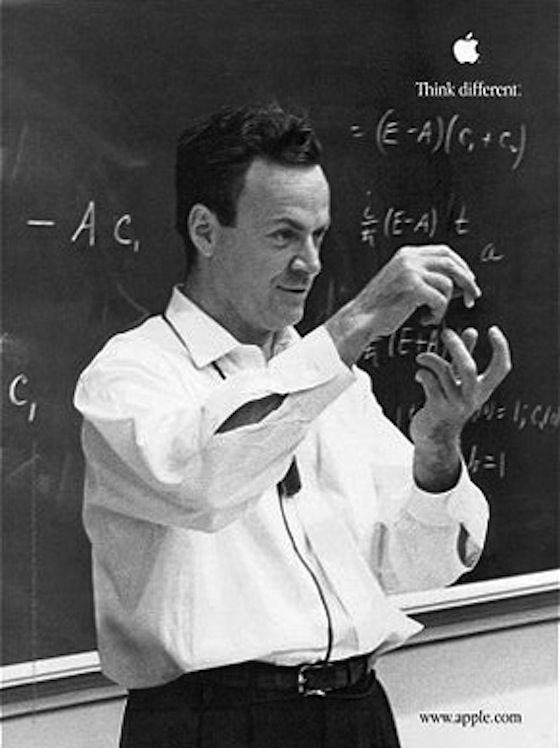
This is exactly why Steve Jobs was a master storyteller. It was never about celebrity endorsements, flashy ads, or extravagant production values. It was about clear, powerful ideas that connected directly with people’s emotions. When Jobs introduced the iPhone, he didn’t overwhelm the audience with technical specifications or visual gimmicks. He told a simple, powerful story: “This changes everything.” That thought alone moved millions. It wasn’t the expensive stage setup or the slick presentation—it was the vision behind the product that made it iconic.
So, next time you think about storytelling, don’t fall into the trap of believing that high-cost production visuals are what make a story great. Forget the expensive sets, the flashy VFX, and the massive budgets. The real power of storytelling lies in the words you choose, the ideas you share, and the emotions you evoke. Because at the end of the day, people don’t remember what they see. They remember what they feel and think.